Buying a Home with a Septic System: What to Check
The septic system is one of the most expensive things to repair or replace on a property, and the standard home inspection rarely covers it.
August 20, 2026 · 3 min read
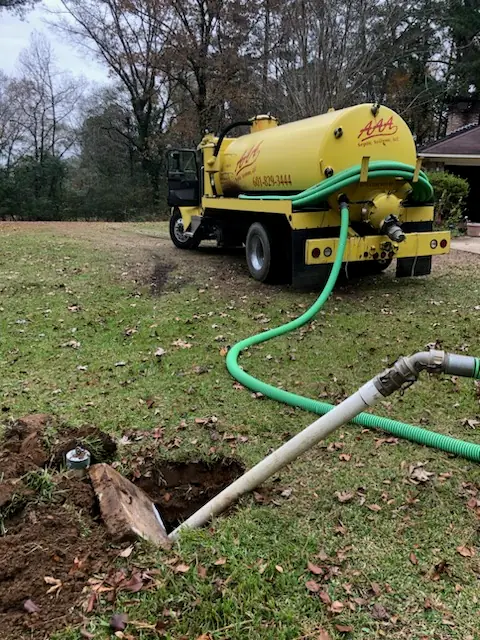
In Rankin County and the communities around Brandon, a large share of homes sit on private septic systems. That's true of newer subdivisions and older rural properties alike. When you're buying one of these homes, the septic system deserves specific attention before the contract closes, not after. A standard home inspection checks the condition of the structure, the roof, the HVAC, and the plumbing inside the house. Most home inspectors are not certified to evaluate what's happening underground.
Ask for the Service History First
Before you schedule any inspection, ask the seller for documentation on the septic system. When was it last pumped? Has it ever been repaired? Has the drainfield ever been worked on? A home that has been maintained will have records. The absence of any documentation isn't automatically disqualifying, but it tells you the system is an unknown quantity and should be evaluated more carefully.
Also ask for the permit and the as-built drawing if the home has changed hands before. The as-built shows the tank location, the drainfield layout, and the setbacks from wells, property lines, and structures. Without it, the inspector is partly guessing about what they're looking at.
Get a Dedicated Septic Inspection
A dedicated septic inspection, separate from the home inspection, is the step most buyers skip because they're already spending money on inspections and the system seems to be working. Working right now is not the same as being in good condition. A technician will locate and open the tank, measure sludge and scum levels, check the baffles, evaluate the condition of the tank walls, and assess whether the drainfield shows signs of saturation or failure.
That inspection can also tell you how soon the tank will need to be pumped after closing, and whether any components, like a failing baffle or a pump that's running rough, need attention in the near term.
Walk the Yard Yourself
- Look for wet or spongy ground above the drainfield area, especially during dry weather when the soil should be firm
- Check for unusually lush or fast-growing grass over the drainfield, which can indicate effluent surfacing
- Look for depressions or sunken ground above the tank, which can mean the tank lid or walls are compromised
- Notice whether there are any odors near the cleanout access points or the drainfield area
- Look for surface water or standing puddles that don't seem related to drainage from the house
Know What You're Buying in Terms of System Type
Conventional gravity systems are the most common in this area: a tank, a distribution box, and a drainfield. But some properties have aerobic treatment units, pump systems, or pressure-dosed drainfields. Each type has different maintenance requirements and different cost profiles when something needs repair. If the home has a non-conventional system, ask specifically about the service contract, the inspection schedule, and what the alarm system covers.
Some system types require periodic inspections or maintenance contracts under state rules. Your real estate agent or the local county health department can point you toward what applies to the specific property. Don't rely on the seller's description of the system type alone.
Factor the Findings Into the Negotiation
If the inspection turns up issues, that information is a negotiating tool, not necessarily a deal-breaker. A tank that needs pumping is a minor cost. A drainfield that's showing early signs of failure is a larger potential expense that should be reflected in the price or addressed as a condition of the sale. A system that has already failed is a different conversation entirely.
The goal is to close knowing exactly what you're getting, with no surprise service calls in the first month of ownership.
After Closing
Once you own the home, establish a relationship with a local septic company before you need one urgently. Know where the tank is, where the drainfield runs, and when the next pump-out is due. That basic knowledge prevents most avoidable problems.
AAA Septic Systems, LLC. provides septic inspections for homebuyers and sellers throughout Brandon, Pearl, Flowood, Richland, Florence, Pelahatchie, and surrounding Rankin County. Call (601) 829-3444 to schedule an inspection before closing. Josh handles scheduling and calls ahead before every appointment.
AAA Septic Systems, LLC. - (601) 829-3444
Call (601) 829-3444More articles
How Often Should You Pump Your Septic Tank in Mississippi?
The honest answer depends on your household size, tank capacity, and the ground your system sits in.
Five Signs Your Septic System Needs Repair
Septic problems announce themselves before they become catastrophic, if you know where to look.