How to Protect Your Septic System During Mississippi's Wet Season
When the ground is saturated, your drainfield can't do its job, and everything backs up from there.
August 20, 2026 · 3 min read
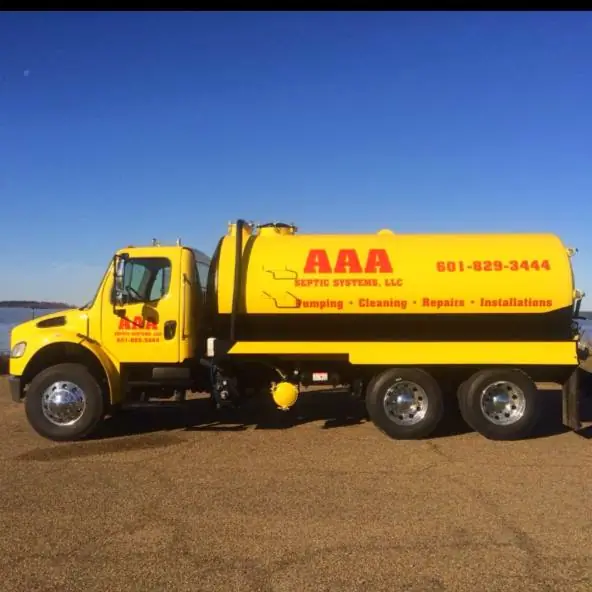
Central Mississippi gets its rainfall spread across the year, but certain stretches, particularly late fall through early spring, can bring sustained periods of wet weather that leave the ground saturated for days at a time. For homes on septic systems, that saturation matters. The drainfield depends on unsaturated soil to percolate and treat effluent. When the soil is already full of water, the system has nowhere to send what comes out of the tank.
How Wet Soil Affects Your Drainfield
The drainfield is a network of perforated pipes buried in gravel or aggregate, surrounded by native soil. Under normal conditions, liquid effluent leaving the tank seeps into that soil, moves through it slowly, and is treated by the bacteria living there. During saturated conditions, the soil is already holding as much water as it can. Effluent that enters the drainfield has no room to go, and the system backs up.
In most cases, this condition is temporary. Once the ground dries out, the drainfield recovers. The risk comes when the system is pushed hard during a saturated period, sending more water through than the tank and field can handle in slow conditions. That added stress can accelerate damage to a drainfield that was already working near its capacity.
Reduce Water Use When the Ground Is Saturated
The most effective thing you can do during and immediately after heavy rain is reduce how much water you send to the system. This doesn't mean going without, but it does mean being deliberate about timing.
- Spread laundry over several days rather than running multiple loads back to back
- Take shorter showers and hold off on baths if the ground is visibly wet
- Run the dishwasher at off-peak times, not immediately after other high-water-use activities
- Fix any running toilets or dripping faucets before wet season arrives, since even small leaks become significant over a rainy stretch
- If you have a water softener, check that it isn't regenerating during or immediately after heavy rain
Keep Runoff Away from the Drainfield
Surface water flowing across the drainfield adds to the saturation problem from above. If your yard drains toward the drainfield area, water is pooling over the pipes and adding to the soil's water burden from the surface while effluent tries to percolate from below. Grading the yard away from the drainfield area and routing downspouts to discharge well clear of it both help. If pooling over the drainfield is a persistent issue, it's worth having someone look at the site drainage.
Don't Park or Drive Over the Drainfield
This rule applies year-round, but it matters most when the soil is wet and soft. A vehicle's weight on saturated ground can compress the aggregate in the drainfield trenches, crushing the perforated pipes and eliminating the void space the effluent needs to move through. A damaged drainfield trench doesn't recover from compaction. It needs to be repaired or replaced.
Keep the drainfield area clear of vehicles, heavy equipment, and any large material stockpiles throughout the rainy season.
Inspect After Major Rain Events
After a significant rain event, walk the yard above the drainfield once the ground has had a day to settle. Look for areas that remain spongy or wet while the rest of the yard has dried. Look for any surfacing odor or visible effluent. Check whether any of the tank lids or cleanout caps show signs of inflow from surface water running into the access points.
A drainfield that recovers fully after rain, with no wet spots or odors once the weather clears, is handling the seasonal load. One that stays wet or shows surfacing effluent between rain events is telling you something about its current condition.
Make Sure the Tank Is Pumped Before Wet Season
A tank that is already near capacity going into a wet stretch has no buffer. If you're overdue for a pump-out and you know a rainy period is coming, scheduling the service before the ground saturates gives the system its best chance of handling the added stress without backing up. A pump-out during an active rainy period is harder on the technician and less precise, since the ground conditions affect how the job goes.
AAA Septic Systems, LLC. serves Brandon, Pearl, Flowood, Richland, Florence, Pelahatchie, and the surrounding Rankin County area. Call (601) 829-3444 Monday through Friday, 8 a.m. to 5 p.m., to schedule a pump-out before the next wet stretch. Josh takes the calls and gives you a heads-up before he's on the way.
AAA Septic Systems, LLC. - (601) 829-3444
Call (601) 829-3444More articles
How Often Should You Pump Your Septic Tank in Mississippi?
The honest answer depends on your household size, tank capacity, and the ground your system sits in.
Five Signs Your Septic System Needs Repair
Septic problems announce themselves before they become catastrophic, if you know where to look.