What Septic Risers Are and Why Homeowners Should Have Them
If your tank lids are buried, a riser installation is the single most practical upgrade you can make to your septic system.
August 20, 2026 · 3 min read
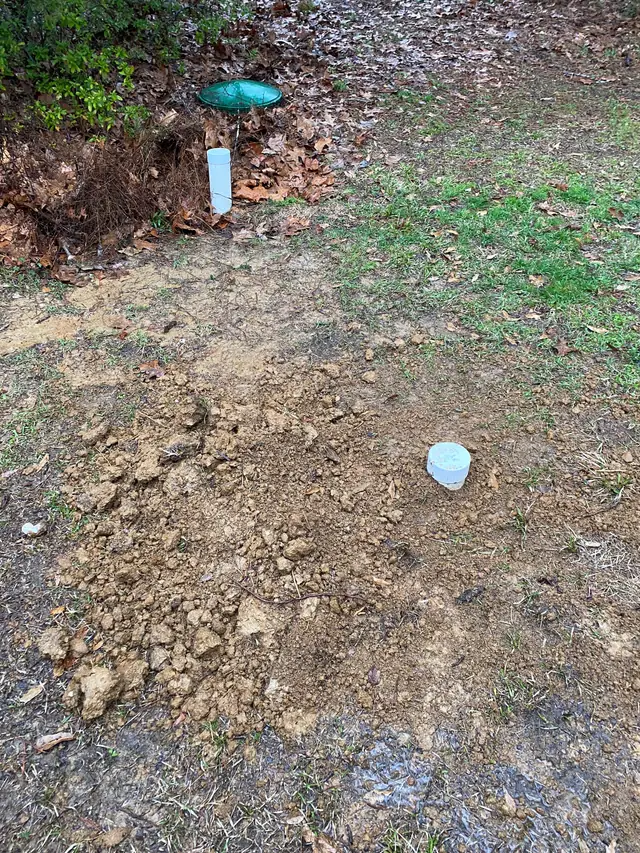
Most homeowners who have lived on a septic system for a while have a version of the same story: the technician arrives, spends twenty minutes with a probe locating the tank, then digs down a foot or more to uncover the lid before any actual service can begin. That digging is not part of the service. It's overhead that the homeowner pays for every single time the tank is pumped, and it leaves a patched-up section of yard that doesn't fully recover for a season.
Septic risers are the straightforward fix for this.
What a Riser Actually Is
A riser is a vertical pipe or tube, typically made from polyethylene or concrete, that extends from the tank lid up to ground level. At the top, it's capped with a secure lid that sits flush with, or just above, the surface of the yard. When a technician arrives to pump the tank, they remove the cap, do the work, replace the cap, and leave. No digging. No probing. No patched-up grass.
Most septic tanks have two access points: the inlet side, which is where wastewater enters from the house, and the outlet side, which leads toward the drainfield. A full riser installation covers both. Tanks with a filter also have a filter access that benefits from a riser of its own. On multi-tank systems, each tank's access points get their own risers.
What the Installation Involves
The technician locates the existing tank lid, excavates to expose it, cuts or adapts the riser to the correct height, secures it to the lid opening, and backfills. The cap goes on, the yard is restored, and from that point forward the access is permanent. The riser doesn't need to be replaced when you pump. It stays in place for the life of the tank.
On properties with multiple tanks, risers are often added in stages. Some homeowners start with the primary tank and add the others at subsequent service visits, which spreads the cost over a few years while still getting the most-used access point to grade level first.
Why It's Worth Doing
- Service calls take less time because the technician goes straight to the access point
- No excavation means no damage to landscaping, tree roots, or the yard surface on each pump-out
- Emergency access is faster in an already-stressful situation
- Inspection is easier, so technicians can check the condition of the tank and baffles without the full dig
- Risers make it easier for a future buyer's inspector to access and evaluate the system during a real estate transaction
Are There Any Drawbacks?
A properly installed riser with a secured lid is not a safety hazard. The lids are designed to hold the weight of foot traffic and light equipment. If you're concerned about aesthetics, risers can be covered with decorative rocks or plantings that are easy to move on service days. They should not be buried or obscured with permanent hardscaping, since the whole point is fast access.
Concrete risers are heavier and durable. Polyethylene risers are lighter, corrosion-resistant, and easier to cut to the right height during installation. Either type, installed correctly, functions well for decades.
A Good Time to Ask
If your tank is already being dug up for a pump-out, that's the logical moment to have risers installed. The access is already open, which cuts the installation time considerably. If you're not sure whether your tank already has risers, you can often tell by checking whether there are any visible caps in the yard above where the tank is buried. If there are none, the lids are below grade.
AAA Septic Systems, LLC. installs risers on existing tanks across Brandon, Pearl, Flowood, Richland, Florence, Pelahatchie, and surrounding Rankin County. Call (601) 829-3444 to ask about adding risers to your next pump-out service. Josh schedules and calls ahead before every visit.
AAA Septic Systems, LLC. - (601) 829-3444
Call (601) 829-3444More articles
How Often Should You Pump Your Septic Tank in Mississippi?
The honest answer depends on your household size, tank capacity, and the ground your system sits in.
Five Signs Your Septic System Needs Repair
Septic problems announce themselves before they become catastrophic, if you know where to look.